Winter Photography
WINTER PHOTOGRAPHY
Winter transforms the world into a high-key studio, turning familiar landscapes into minimalist masterpieces. But while the scenery is stunning, the conditions can be brutal on both you and your gear. To help you come away with winter shots you can be proud of, we’ve rounded up the creative techniques and essential gear you need to master the art of the "whiteout."
Creative Techniques for the Snow
Snow acts as a giant natural reflector, but it also confuses your camera’s internal computer. Here is how to handle the light.
Landscape & Minimalism
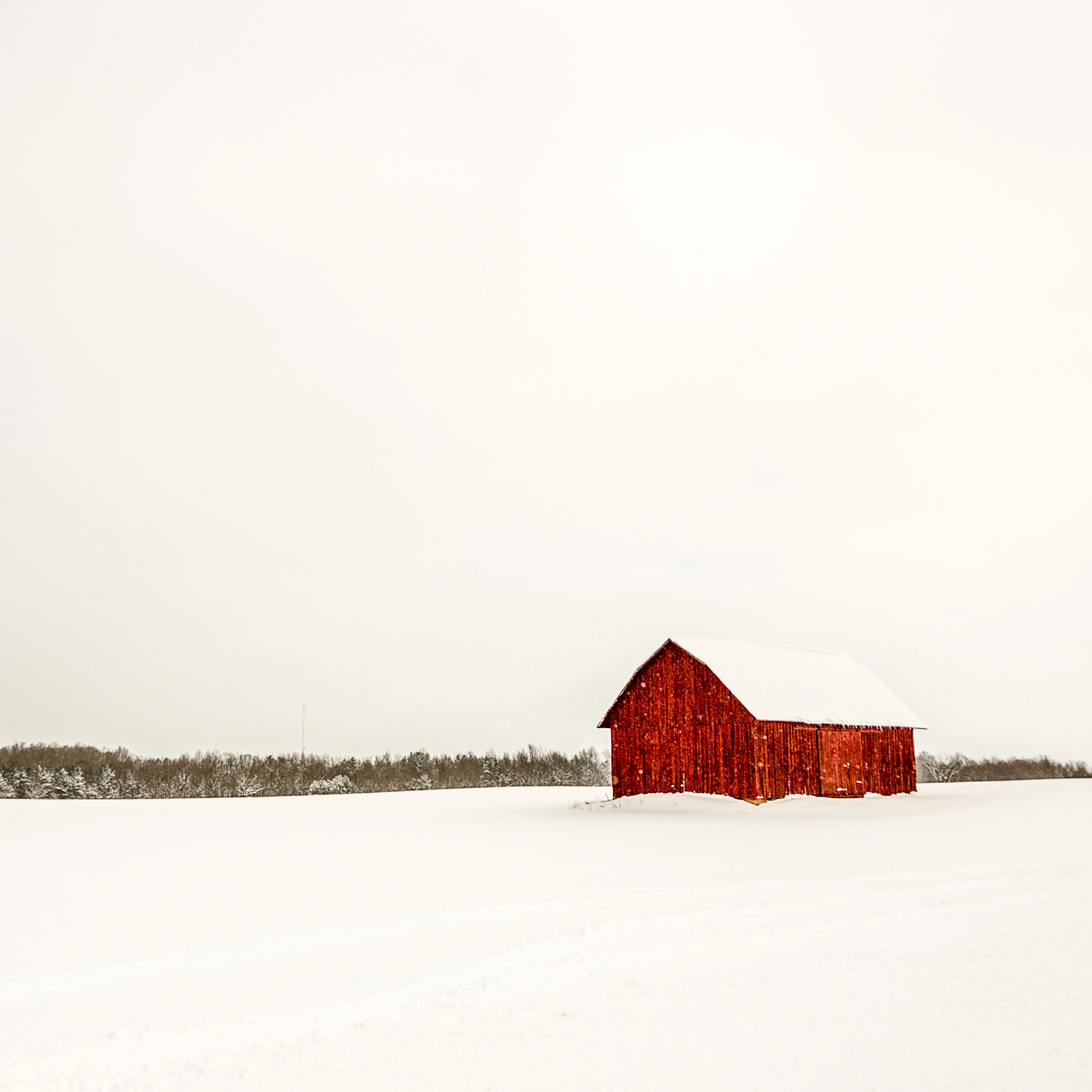
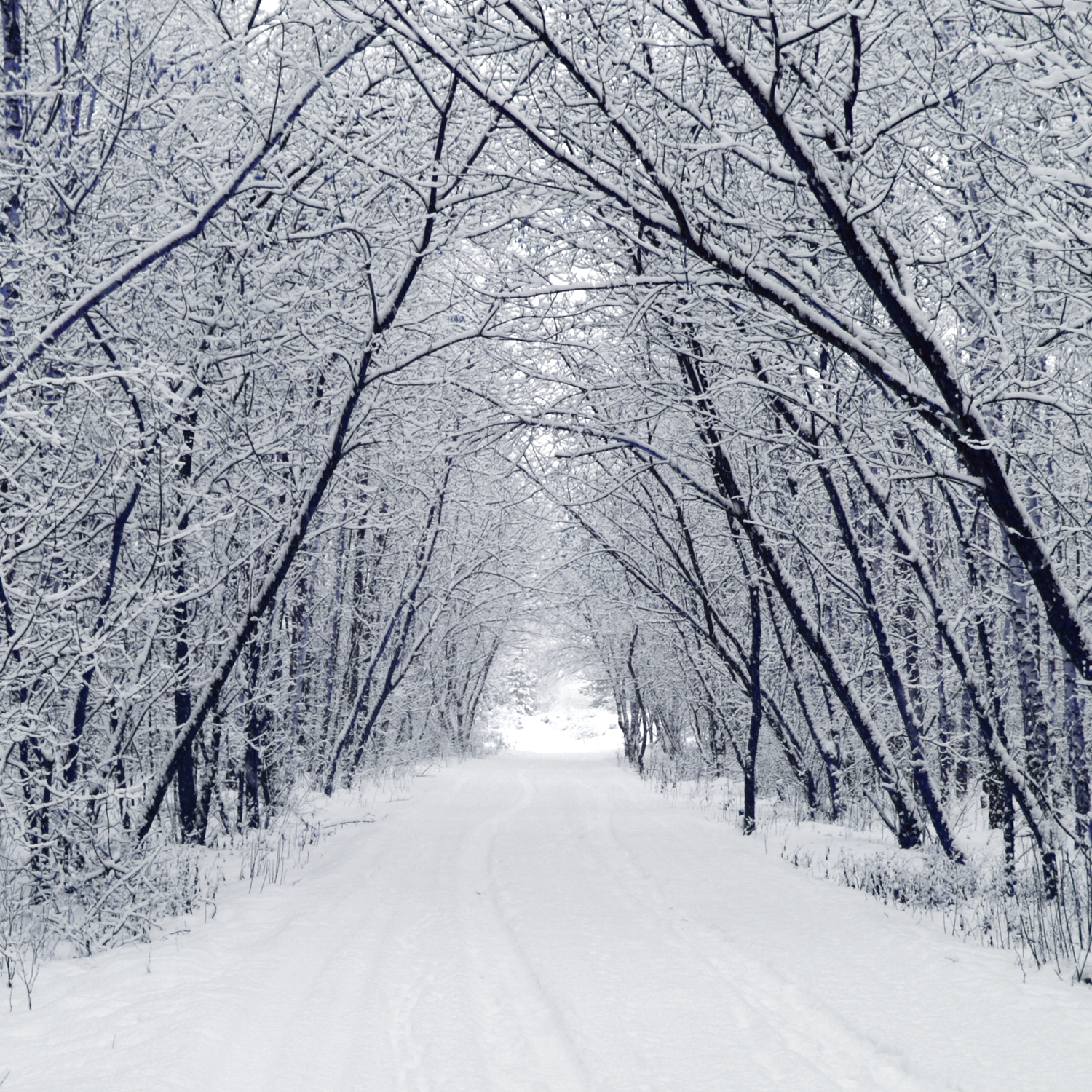
Snow simplifies the world. Find clean lines and textures that are usually hidden by brush or dirt.
Pro Tip: Your camera's light meter wants to turn white snow into gray. To keep the drifts looking crisp and bright, overexpose by 1–2 stops.
Macro: The Micro-Winter
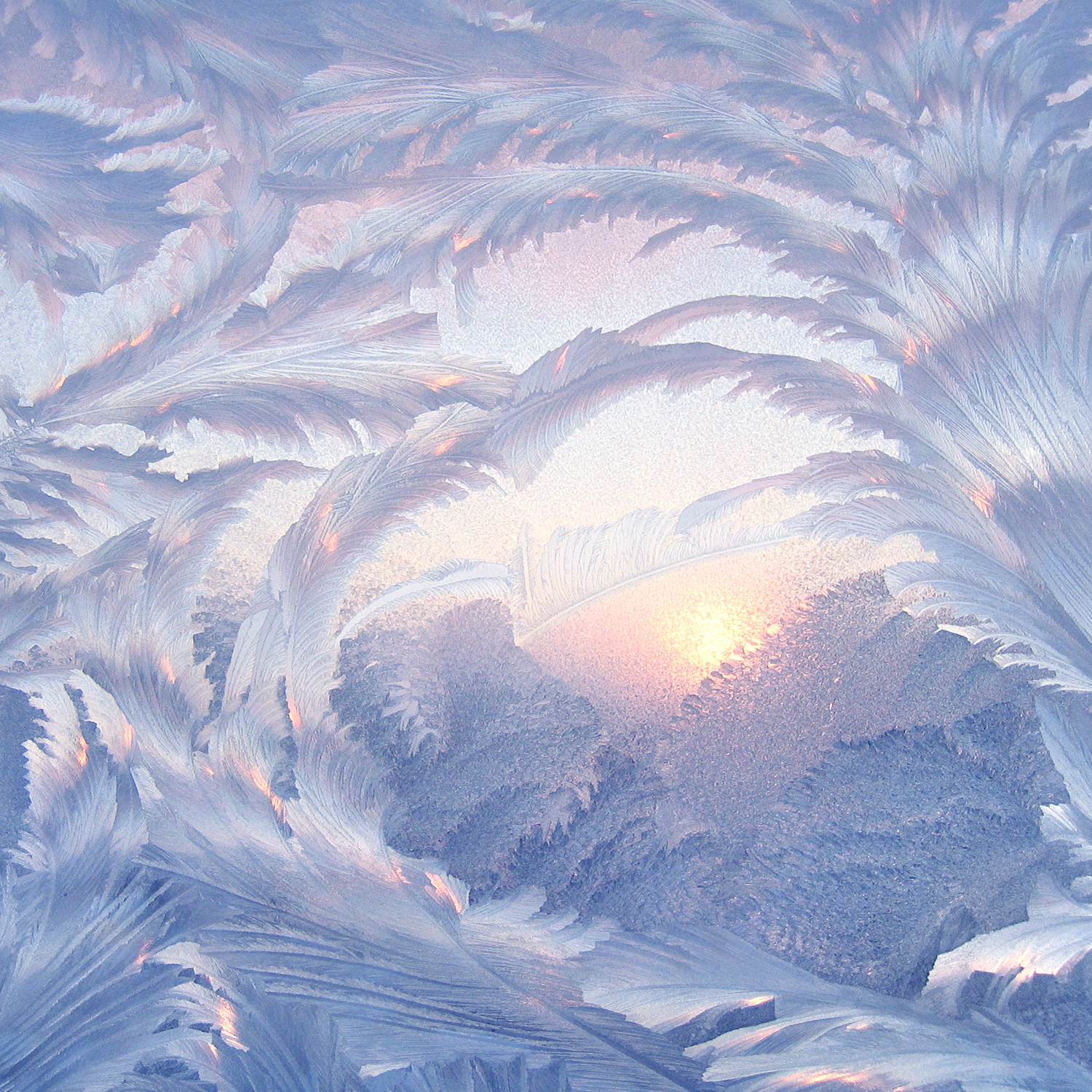
Don't just look at the forest; look at the frost. Individual snowflakes and ice crystals offer incredible geometric beauty.
The Gear: If a dedicated macro lens isn't in your bag, use extension tubes to decrease your minimum focus distance.
The Precision: Use a NiSi focusing rail for the micro-adjustments required to nail focus on delicate textures.
High-Contrast Portraits
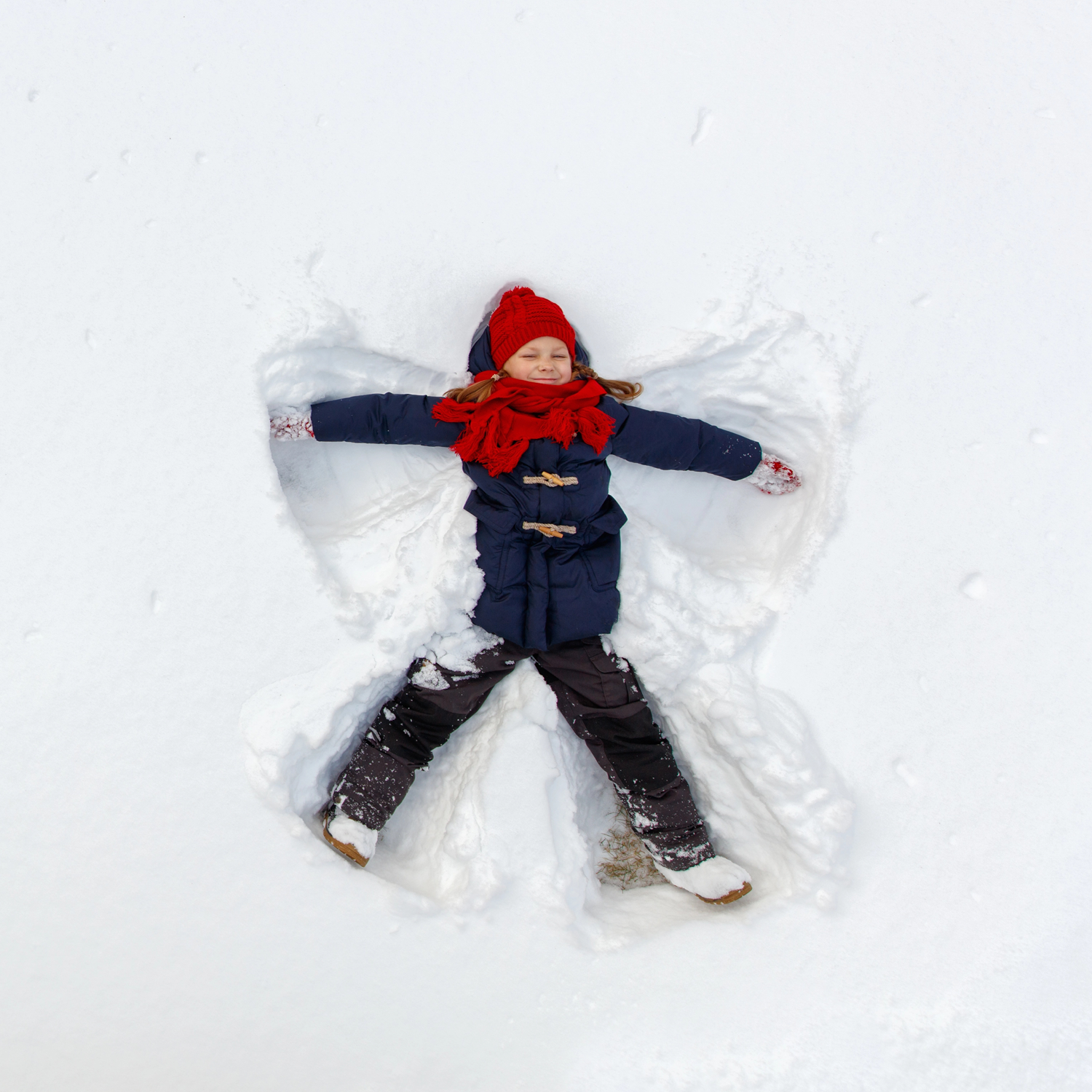
The neutral white of a snowfield makes colors explode. Dress your subjects in vibrant reds, deep blues, or forest greens to create a "pop" that feels cinematic.
Settings: Shoot at a wide aperture (f/1.2–f/4) to melt the background into a soft, creamy white, ensuring your subject is the undisputed focal point.
Night & Monochrome
When the sun goes down, snow amplifies ambient light from streetlamps and stars. Alternatively, lean into the starkness of the season by shooting in Black & White. Focus on "anchoring" your image with dark elements—trees, shadows, or silhouettes—to provide depth against the white void.
Winter photography requires a little extra patience and a lot of extra layers, but the results are unlike anything else you'll capture all year. By protecting your gear from the damp and "lying" to your light meter to keep those whites bright, you’ll come home with a portfolio as fresh as fallen snow.
Guard Your Gear (and Your Extremities)
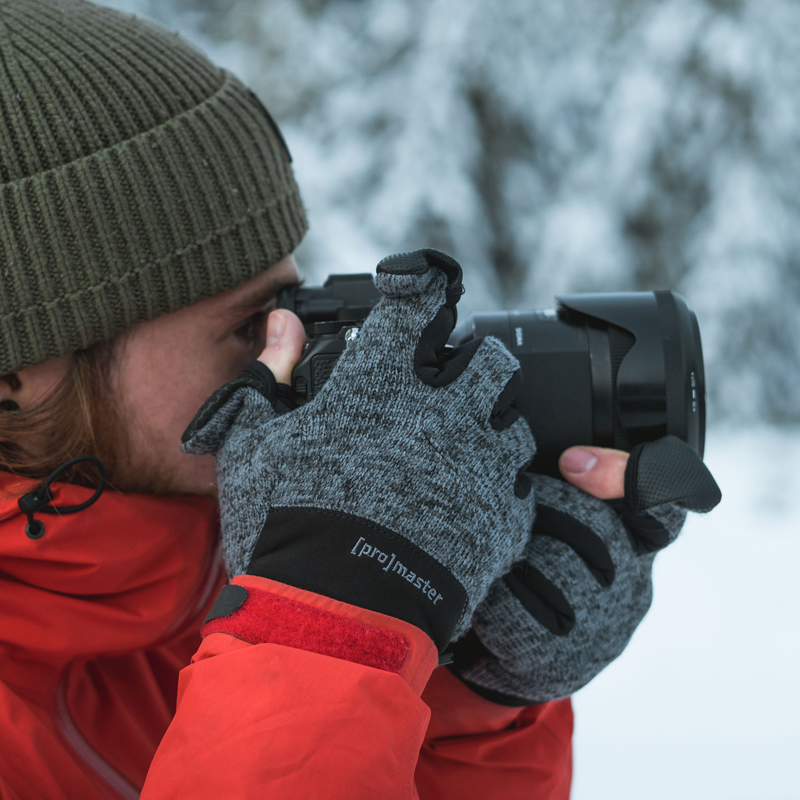
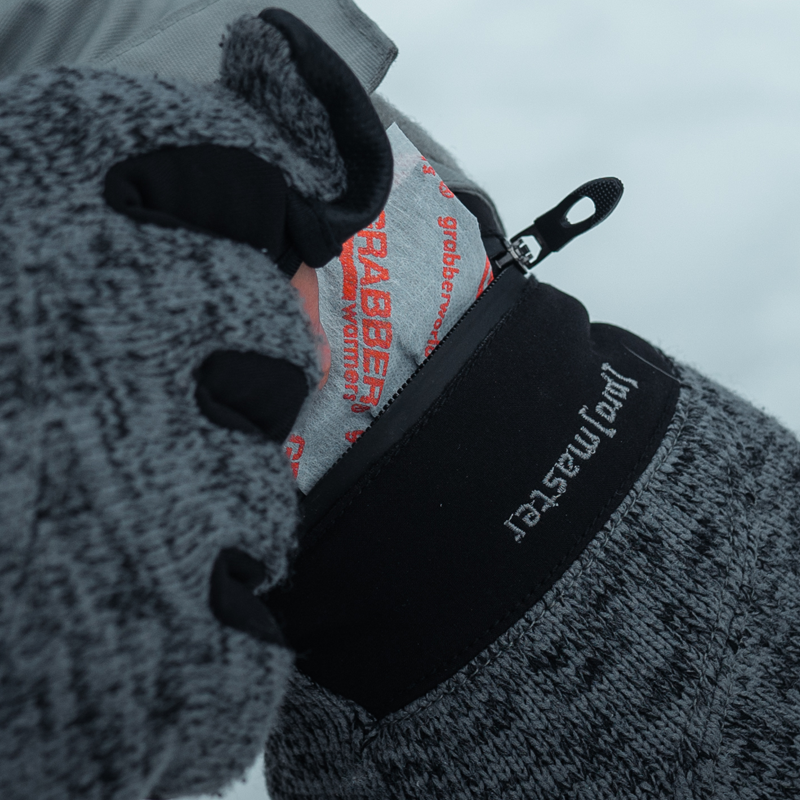
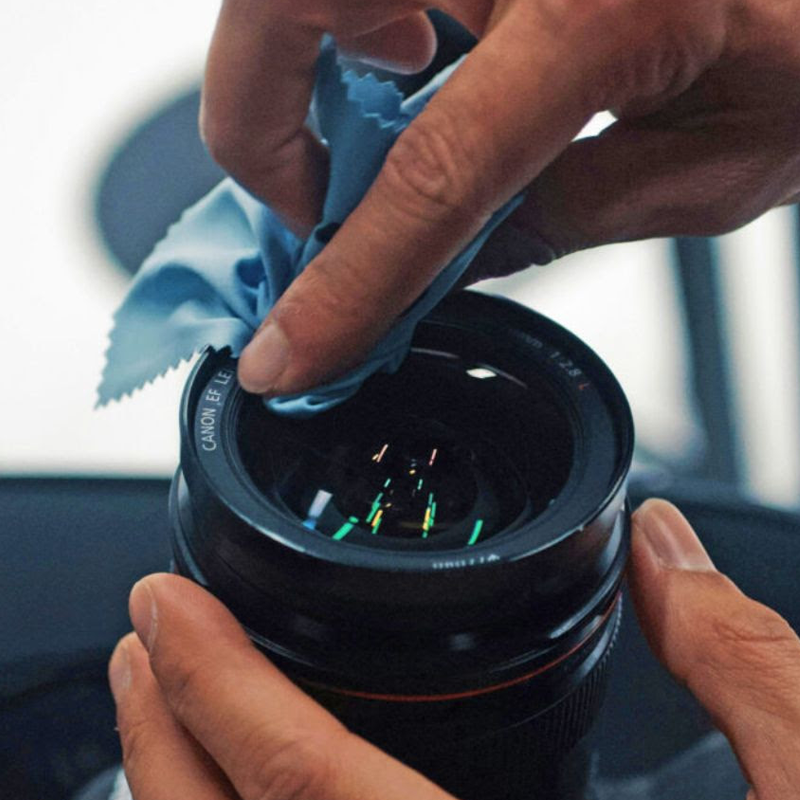
Winter photography is a test of endurance. If you’re shivering or your camera is dead, the shot won't happen.
Essential Gear & Why You Need It